Salmon with Shrimp Stuffing
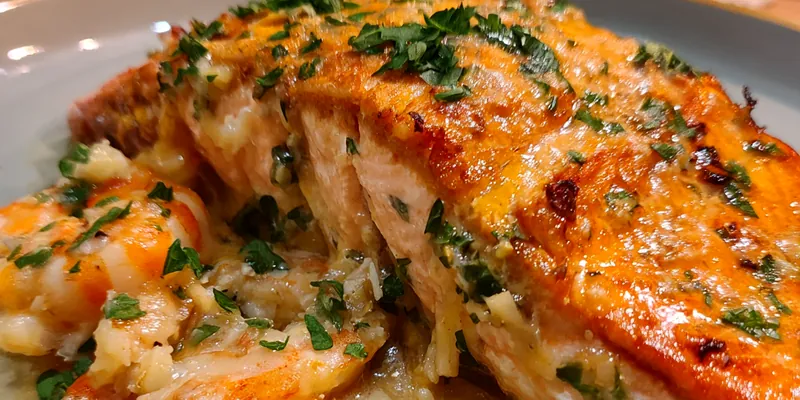
Salmon with Shrimp Stuffing is a delectable dish that combines the rich flavors of salmon with a savory shrimp filling. Perfect for impressing guests or enjoying a family dinner, this recipe is both easy to prepare and delightful to eat. With a crispy topping and creamy stuffing, it's sure to become a favorite. Get ready for a culinary experience that highlights the best of American cuisine!

Why This Salmon with Shrimp Stuffing Recipe Works
This recipe stands out due to its harmonious blend of flavors, with the fresh shrimp adding a delightful twist to classic salmon. The creaminess of the filling complements the flaky texture of the salmon perfectly. Additionally, using fresh ingredients ensures an elevated taste that makes this dish restaurant-quality at home.
The technique of baking the salmon allows for even cooking while preserving its moisture. The combination of breadcrumbs and cheese creates a delicious crispy topping that contrasts wonderfully with the tender stuffing. This recipe is all about balance, making each bite a flavorful experience.
💡 Professional Tip
For the best results, always use fresh salmon and shrimp. If you're using frozen shrimp, ensure they are completely thawed and drained before mixing into the stuffing. This will help maintain the texture and flavor of the dish.
Frequently Asked Questions
Yes, you can prepare the stuffing in advance and store it in the refrigerator for up to 24 hours. Just assemble the dish and bake it right before serving. This makes it convenient for dinner parties or busy weeknights.
If you're looking for a lighter option, you can use Greek yogurt or ricotta cheese as a substitute for cream cheese. Both will provide a creamy texture while adding a bit of tanginess to the stuffing.
The salmon is done when it reaches an internal temperature of 145°F (63°C) and flakes easily with a fork. The stuffing should also be heated through. Using a meat thermometer can help ensure perfect results.
Yes, you can freeze the assembled, uncooked salmon with shrimp stuffing. Wrap it tightly in plastic wrap and then foil. When ready to cook, thaw it in the refrigerator overnight before baking it according to the recipe.
This dish pairs wonderfully with a light salad or steamed vegetables for a balanced meal. You could also serve it with rice or quinoa to soak up the delicious flavors.
Leftover Salmon with Shrimp Stuffing can be stored in an airtight container in the refrigerator for up to 3 days. Reheat it gently in the oven or microwave before serving.
Certainly! You can prepare the stuffing and fill the salmon fillets up to a day ahead. Store them in the fridge, and bake them right before serving to have a fresh and delicious meal.
The best way to reheat Salmon with Shrimp Stuffing is to place it in a preheated oven at 350°F (175°C) for about 15-20 minutes, or until heated through. This method helps retain moisture and prevents the salmon from becoming dry.
Recipe Troubleshooting Guide
Too Dry
Problem: The salmon may become dry if overcooked.
Solution: To prevent this, monitor the cooking time closely and use a meat thermometer to check for doneness.
Not Crispy Enough
Problem: If the topping isn't crispy, it may not have baked long enough.
Solution: Make sure to bake until the topping is golden and crispy. You can also broil it for the last few minutes for extra crunch.
Overcooked
Problem: Overcooked salmon will be tough and dry.
Prevention: Always use a timer and check the salmon a few minutes before the suggested cooking time to ensure perfect results.
Undercooked Center
Problem: If the center remains undercooked, it can affect the overall dish.
Recovery: If you find the center undercooked, cover the dish with foil and return it to the oven, cooking for an additional 5-10 minutes.
Burnt Exterior
Problem: The topping can burn if the oven temperature is too high.
Prevention: Try reducing the oven temperature slightly and check for doneness sooner to prevent burning.
Flavor Balance
Too Sweet: If the dish is too sweet, add a splash of lemon juice or vinegar to balance the flavors.
Too Salty: To fix an overly salty dish, serve with a side of unsalted grains like rice or quinoa.
Bland: If the dish is bland, consider adding fresh herbs or a dash of hot sauce to enhance the flavors.
Essential Ingredients for Salmon with Shrimp Stuffing
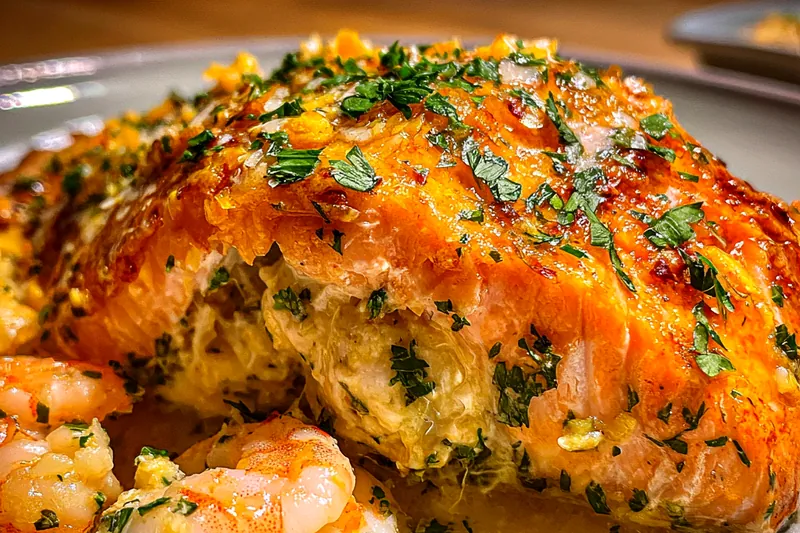
The key ingredients in this recipe include fresh salmon and shrimp, which are packed with flavor and nutrition. The combination of cream cheese and breadcrumbs creates a rich and satisfying stuffing that complements the salmon beautifully. Fresh herbs and spices add depth, making this dish truly delightful.
Using high-quality ingredients is crucial for the best taste. Select wild-caught salmon when possible for superior flavor and texture. Fresh shrimp should smell briny and sweet, while vegetables should be vibrant and crisp. Quality ingredients will elevate your dish.
Essential Ingredient Notes
- Fresh Salmon: Look for salmon fillets that are firm to the touch with a bright color. Avoid any fillets with a strong fishy smell, as this indicates they may not be fresh.
- Chopped Shrimp: When selecting shrimp, opt for those that are wild-caught and have a slightly sweet aroma. Fresh shrimp adds an undeniable taste to the stuffing.
- Breadcrumbs: Use fresh breadcrumbs for the best texture, or make your own by pulsing day-old bread in a food processor. This will enhance the stuffing's flavor and crunch.
Step-by-Step Cooking Process
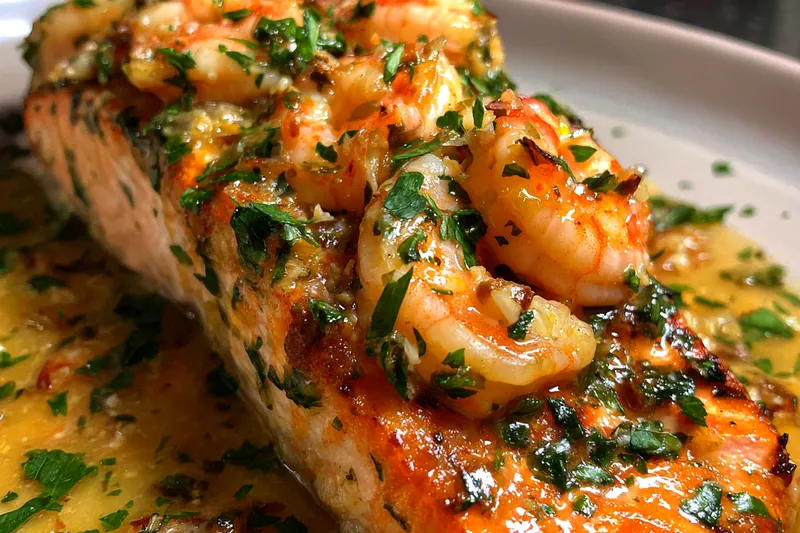
The cooking process for Salmon with Shrimp Stuffing involves preparing the stuffing, seasoning the salmon, and then baking it to perfection. It's a straightforward approach that yields delicious results. Each step is designed to enhance the flavors while ensuring the salmon retains its moisture.
To achieve perfect results, make sure not to overcrowd the baking sheet and allow enough space for the heat to circulate. This will help in achieving a beautifully crisp topping and evenly cooked salmon.
Key Technique for Perfect Salmon with Shrimp Stuffing
The most important technique in this recipe is ensuring the proper balance of moisture in the stuffing. Avoid overmixing, as this can create a dense filling. Instead, fold the ingredients gently to keep the stuffing light and airy, allowing it to meld with the salmon seamlessly.
Salmon with Shrimp Stuffing
📋 Ingredients
Main Ingredients
- 1 cup butterRoom temperature
- 1 tablespoon lemon juiceFreshly squeezed
- 1 teaspoon garlic powderFor added flavor
- Salt to tasteFor seasoning
- Black pepper to tasteFor seasoning
For the Sauce
- 2 lbs salmon filletsFresh, skinless
- 1 cup cooked shrimp, choppedSmall pieces
- 1 cup breadcrumbsPanko or regular
- 1/2 cup cream cheese, softenedRoom temperature
- 1/4 cup green onions, choppedFresh
- 1/4 cup bell pepper, dicedAny color
- 1 tablespoon garlic, mincedFresh
- 2 tablespoons lemon juiceFreshly squeezed
Instructions
Preheat the Oven
Preheat your oven to 375°F (190°C).
Prepare the Stuffing
In a bowl, mix the chopped shrimp, breadcrumbs, cream cheese, green onions, bell pepper, garlic, lemon juice, Old Bay seasoning, salt, pepper, and parsley until well combined.
Prepare the Salmon
Place the salmon fillets on a baking sheet lined with parchment paper. Season with olive oil, salt, and pepper.
Stuff the Salmon
Carefully spoon the shrimp stuffing onto the center of each salmon fillet, pressing it down gently.
Add Cheese
Sprinkle shredded cheddar cheese on top of the stuffing.
Bake the Salmon
Bake in the preheated oven for 25-30 minutes, or until the salmon is cooked through and flakes easily with a fork.
Garnish and Serve
Garnish with lemon slices and additional parsley. Serve hot.
Recipe Notes & Tips
Storage Tips
Store leftover Salmon with Shrimp Stuffing in an airtight container in the refrigerator. It can be enjoyed cold or reheated. For best results, consume within three days.
Serving Suggestions
Serve the Salmon with Shrimp Stuffing alongside a side salad or steamed vegetables for a complete meal. A light white wine pairs beautifully with this dish.
Recipe Variations
Feel free to experiment with the stuffing by adding different herbs or spices, such as dill or cajun seasoning. You can also use crab meat instead of shrimp for a different flavor profile.