Perfect Homemade Pizza Crust
Creating the perfect homemade pizza crust is easier than you might think. This recipe yields a deliciously crispy and chewy base for your favorite toppings. Whether you're a pizza aficionado or a casual cook, this crust will impress everyone at the dinner table. With simple ingredients and step-by-step instructions, you'll be a pizza-making pro in no time!

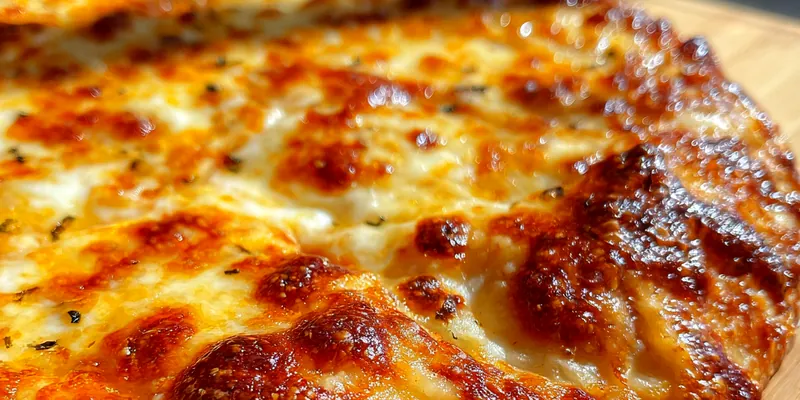
Why This Perfect Homemade Pizza Crust Recipe Works
This recipe for pizza crust stands out due to its balance of ingredients and the technique used. The combination of all-purpose flour, olive oil, and herbs creates a flavorful base that complements any topping. By activating the yeast properly, you ensure the dough rises beautifully, resulting in a light and airy crust.
Kneading the dough thoroughly is crucial for developing gluten, which gives the crust its structure. The high oven temperature creates a perfectly crispy exterior while keeping the inside chewy. Additionally, using cornmeal helps prevent sticking and adds a subtle crunch to the bottom of the crust.
💡 Professional Tip
For the best results, let your dough rise longer than the minimum time specified. If you have time, a slow rise in the refrigerator overnight will enhance the flavor further. Also, preheating your pizza stone is essential to achieving that restaurant-quality crust.
Frequently Asked Questions
Yes, you can prepare the dough up to 24 hours in advance. After kneading, place it in a greased bowl, cover tightly, and refrigerate. When ready to use, let it come to room temperature and rise for about 30 minutes before shaping it into crusts.
You can use instant yeast instead of active dry yeast. Measure the same amount and mix it directly with the dry ingredients. If you prefer a sourdough flavor, consider using a sourdough starter, but it will require a different measurement and fermentation process.
The crust is done when it is golden brown and sounds hollow when tapped on the bottom. Additionally, if the cheese is bubbling and slightly browned, that's a good indication that your pizza is ready to come out of the oven.
Yes, you can freeze the dough before it rises. After kneading, shape it into a ball, wrap it tightly in plastic wrap, and then place it in a freezer bag. When you want to use it, thaw it in the refrigerator overnight and let it rise as usual before shaping.
Pair your homemade pizza crust with a variety of toppings such as fresh mozzarella, pepperoni, or seasonal vegetables. A fresh salad and a side of dipping sauces like garlic butter or marinara also make excellent accompaniments.
Homemade pizza crust can last in the fridge for about 3-5 days when stored properly in an airtight container. Make sure to prevent it from drying out by covering it with plastic wrap or foil.
Absolutely! You can prepare and shape the dough ahead of time. After shaping, simply cover it and refrigerate for up to 24 hours. Allow it to come to room temperature before adding toppings and baking.
The best way to reheat pizza crust is in the oven. Preheat the oven to 375°F (190°C), place the crust on a baking sheet, and heat for about 10-15 minutes until warmed through and crispy again. Avoid using the microwave as it can make the crust soggy.
Recipe Troubleshooting Guide
Too Dry
Problem: If your pizza crust turns out too dry, it may have too much flour or not enough moisture.
Solution: To fix this, ensure you measure your flour correctly, using the spoon and level method. If the dough feels too dry, add a tablespoon of warm water gradually until it reaches the right consistency during kneading.
Not Crispy Enough
Problem: If the crust isn't crispy, it may be due to low oven temperature or insufficient baking time.
Solution: Ensure your oven is preheated to the right temperature before baking, and consider using a pizza stone for better heat retention. Baking at a higher temperature for a slightly longer time can also help achieve that crispy texture.
Overcooked
Problem: If your crust is overcooked, it may be burnt or too hard.
Prevention: Monitor your pizza closely towards the end of the baking time. Every oven is different, so adjust the time and temperature based on your own results. Consider lowering the temperature slightly if you notice the crust browning too quickly.
Undercooked Center
Problem: An undercooked center means the crust is doughy and raw inside.
Recovery: To fix this, you can return the pizza to the oven and bake it for a few more minutes. If this happens often, consider pre-baking the crust for a few minutes before adding toppings to ensure a fully cooked base.
Burnt Exterior
Problem: A burnt exterior could occur if the pizza is too close to the heating element.
Prevention: Try placing your pizza stone or baking sheet in the middle rack of your oven. This allows for even heat distribution and reduces the risk of burning the bottom or edges.
Flavor Balance
Too Sweet: If your crust is too sweet, reduce the sugar in the recipe by half next time.
Too Salty: If it's too salty, try using less salt in your next batch or balance it out with a sweeter topping.
Bland: To enhance flavor, consider adding more herbs or garlic powder to the dough next time.
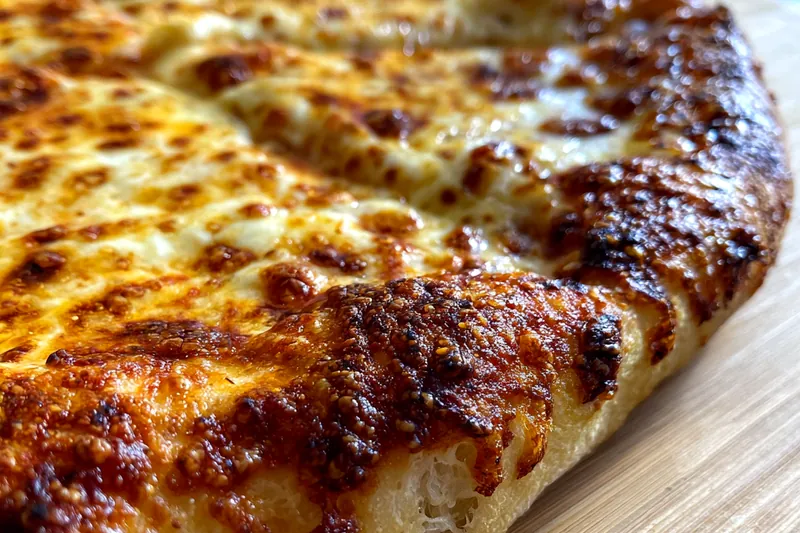
Essential Ingredients for Perfect Homemade Pizza Crust
The key to a successful pizza crust lies in the quality of your ingredients. Using high-protein flour like bread flour will give your crust a better structure and chew. Fresh yeast ensures the dough rises properly, while quality olive oil adds flavor and moisture.
Don't underestimate the importance of herbs and seasonings. They elevate the taste of your crust, making it the perfect foundation for your favorite toppings. Always use fresh ingredients whenever possible for the best results.
Essential Ingredient Notes
- All-Purpose Flour: A high-quality all-purpose flour is essential for the right texture. Look for brands that have a higher protein content, as this helps develop gluten for a chewier crust.
- Olive Oil: Using extra virgin olive oil adds flavor and helps keep the crust moist. It also aids in browning, giving you that desirable golden color.
- Fresh Yeast: Always check the expiration date on your yeast. Fresh, active yeast leads to better rise and texture in your crust. If you're using dry yeast, ensure it's stored correctly to maintain its potency.
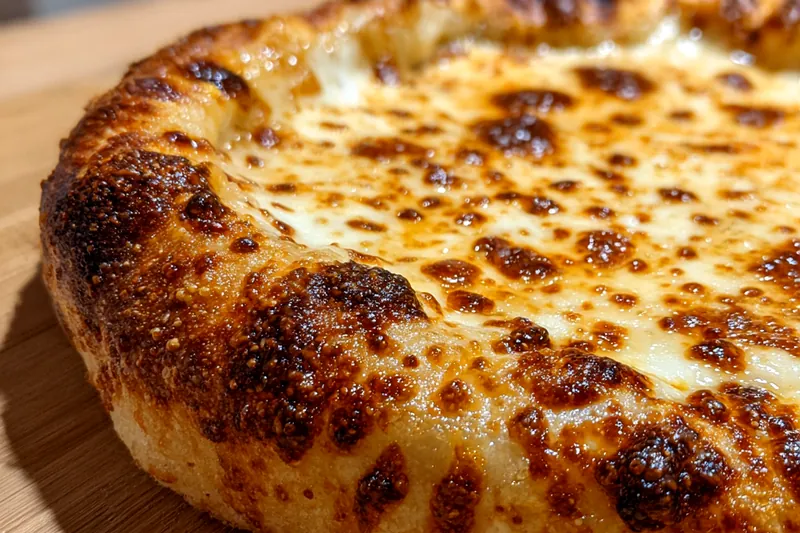
Step-by-Step Cooking Process
Making the perfect pizza crust is all about the process. Start with activating your yeast, as this is crucial for a good rise. Mixing in the dry ingredients and kneading the dough are fundamental steps that should not be rushed. Patience is key!
After the dough rises, shaping it carefully will ensure an even cook. Preheating your baking surface is vital for creating that crispy base, and adding toppings should be done just before baking to keep everything fresh.
Key Technique for Perfect Perfect Homemade Pizza Crust
The most important technique for achieving the perfect pizza crust is kneading. This process develops gluten, which gives your dough strength and elasticity. Additionally, allowing the dough to rise properly ensures a light and airy crust with the ideal texture.
Perfect Homemade Pizza Crust
📋 Ingredients
Main Ingredients
- 1 cup crushed tomatoesCanned or fresh
- 1 tsp olive oilExtra virgin
- 1 tsp Italian seasoningDried herbs blend
- 1/2 tsp saltTo taste
- 1/4 tsp black pepperFreshly ground
For the Sauce
- 2 1/4 tsp active dry yeastFor dough rising
- 1 1/2 cups warm waterBetween 100°F and 110°F
- 4 cups all-purpose flourPlus more for dusting
- 2 tsp saltFor flavor
- 1 tbsp sugarTo feed the yeast
- 2 tbsp olive oilFor moisture
- 1 tsp garlic powderFor flavor
- 1 tsp dried oreganoFor flavor
- 1 tsp dried basilFor flavor
- 1/2 tsp black pepperFor flavor
- 1 tsp cornmeal (for dusting)To prevent sticking
- 1 tbsp cornmeal (for the oven)For extra crunch
Instructions
Activate Yeast
In a small bowl, combine warm water, sugar, and yeast. Let it sit for 5-10 minutes until it becomes frothy.
Mix Dry Ingredients
In a large mixing bowl, whisk together the flour, salt, garlic powder, oregano, basil, and black pepper.
Combine Ingredients
Make a well in the center of the dry ingredients and add the yeast mixture and olive oil. Stir until a dough forms.
Knead Dough
Transfer the dough to a floured surface and knead for 8-10 minutes until smooth and elastic.
First Rise
Place the dough in a greased bowl, cover with a damp cloth, and let it rise in a warm place for about 1 hour or until doubled in size.
Preheat Oven
Preheat your oven to 475°F (245°C) and place a pizza stone or baking sheet inside to heat.
Shape the Dough
Once risen, punch down the dough and turn it out onto a floured surface. Divide the dough into two equal parts and roll out each into a pizza shape.
Prepare for Baking
Dust your pizza peel with cornmeal, transfer the shaped dough onto it, and add your desired toppings.
Bake Pizza
Carefully slide the pizza onto the preheated stone or baking sheet. Bake for 12-15 minutes until golden brown.
Recipe Notes & Tips
Storage Tips
Store any leftover pizza crust in an airtight container in the refrigerator for up to 3 days. Alternatively, you can freeze the dough before it rises for longer storage. Just make sure to thaw it properly before use.
Serving Suggestions
Serve your freshly baked pizza crust with a variety of toppings, from classic margherita to gourmet combinations. A side salad or garlic bread complements the meal perfectly.
Recipe Variations
Feel free to experiment with different flours such as whole wheat or gluten-free blends. You can also add herbs or spices to the dough for extra flavor, or try different shapes and sizes for a creative twist.