Glazed Salmon with Rice
Glazed Salmon with Rice is a mouthwatering dish that combines succulent salmon with a sweet and savory glaze. This recipe is not only easy to prepare but also brings vibrant Asian flavors to your dinner table. The combination of perfectly cooked rice and glazed salmon creates a delightful meal that the whole family will enjoy. You can impress your guests with this restaurant-quality dish made in your kitchen.

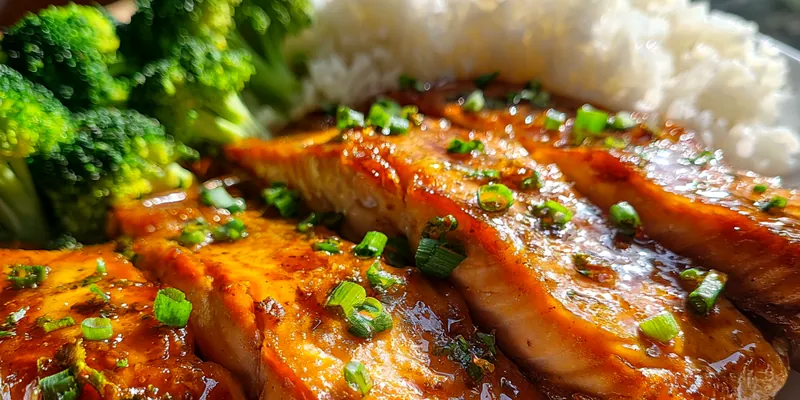
Why This Glazed Salmon with Rice Recipe Works
This Glazed Salmon with Rice recipe stands out because it combines the rich flavors of salmon with a beautifully balanced glaze. The ingredients are straightforward, yet they come together to create a mouthwatering dish that is both healthy and satisfying. Marinating the salmon enhances its natural flavors, while the glaze adds a touch of sweetness that pairs perfectly with the savory notes.
The technique of pan-searing the salmon ensures a crispy skin while keeping the inside moist and flaky. The quick cooking time and simple preparation make it an ideal choice for busy weeknights. The result is a dish that not only looks impressive but also delivers a delicious taste experience.
💡 Professional Tip
For perfectly cooked salmon, always let it rest after cooking for a few minutes before serving. This allows the juices to redistribute, ensuring a moist and flavorful bite. Additionally, feel free to adjust the sweetness of the glaze by adding more or less honey according to your taste preference.
Frequently Asked Questions
Yes, you can prepare the salmon and marinade in advance. Marinate the salmon for up to 24 hours in the refrigerator for enhanced flavor. However, it's best to cook the rice fresh before serving to maintain its texture. You can reheat the salmon gently in the oven if needed, but it's best enjoyed fresh.
If you're looking for a substitute for honey, you can use maple syrup or agave nectar. Both options offer a similar sweetness that will complement the salmon glaze. If you prefer a sugar-free option, try using erythritol or stevia, adjusting the amount to taste, as these are sweeter than honey.
The salmon is done when it reaches an internal temperature of 145°F (63°C). The fish should be opaque and easily flake with a fork. Additionally, the glaze should be slightly caramelized, giving the salmon a beautiful shine. If you're using a digital thermometer, it's the most accurate way to check for doneness.
Yes, you can freeze the cooked salmon for up to three months. To freeze, let it cool completely and then wrap it tightly in plastic wrap and aluminum foil. For the rice, it can also be frozen, but keep in mind that the texture may change slightly upon reheating. It's best to freeze the components separately for optimal results.
This dish pairs beautifully with steamed vegetables such as broccoli or bok choy for a healthy side. You could also serve a simple salad or pickled vegetables to add a crunchy contrast. A light miso soup would complement the meal well, enhancing the Asian theme.
Glazed Salmon with Rice can be stored in the refrigerator for up to three days. Make sure to store it in an airtight container to maintain freshness. If you notice any change in smell or texture, it's best to discard it.
While you can marinate the salmon ahead of time, it's best to cook it just before serving for the best texture and flavor. The rice can be prepared in advance and reheated, but the dish is at its best when freshly made. If you need to prepare it ahead for an event, you can reheat the salmon gently in the oven.
To reheat Glazed Salmon, preheat your oven to 275°F (135°C). Place the salmon on a baking sheet and cover it with foil to prevent it from drying out. Heat for about 10-15 minutes until warmed through. For the rice, reheat in the microwave with a splash of water to keep it moist.
Recipe Troubleshooting Guide
Too Dry
Problem: The salmon may turn out dry if overcooked.
Solution: To prevent dryness, always use a thermometer to check the internal temperature. Remove the salmon from heat as soon as it reaches 145°F (63°C). Consider basting with the marinade while cooking to keep it moist.
Not Crispy Enough
Problem: The salmon skin may not crisp up as desired.
Solution: Ensure the skillet is hot enough before adding the salmon skin side down. Press down gently with a spatula for the first couple of minutes to promote even browning. Avoid overcrowding the pan.
Overcooked
Problem: Overcooking can lead to a rubbery texture.
Prevention: Monitor cooking time closely and use a thermometer. If you accidentally overcook, serve the salmon with a bit of the glaze to enhance moisture.
Undercooked Center
Problem: The center of the salmon may remain raw.
Recovery: If the outside cooks too quickly, lower the heat and cover the pan to allow even cooking throughout. Flip the salmon carefully to check for doneness.
Burnt Exterior
Problem: The salmon skin might burn before the inside is cooked.
Prevention: To avoid burning, reduce the heat if you notice excessive browning. Use a non-stick pan and ensure enough oil is used to prevent sticking and burning.
Flavor Balance
Too Sweet: If too sweet, add a splash of soy sauce or a drizzle of lemon juice.
Too Salty: If too salty, add a touch of honey or sugar to balance the flavors.
Bland: If bland, incorporate more garlic, ginger, or a sprinkle of chili flakes for added flavor.
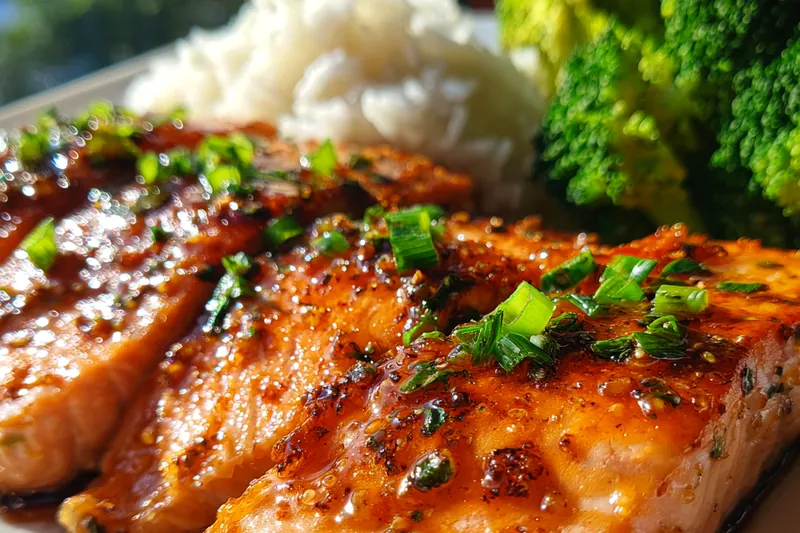
Essential Ingredients for Glazed Salmon with Rice
The key ingredients for this Glazed Salmon with Rice recipe include fresh salmon fillets, jasmine rice, and a carefully crafted glaze made from soy sauce, honey, and garlic. Each ingredient plays a critical role in developing the dish's flavor profile. The salmon provides healthy protein and omega-3 fatty acids, while the rice serves as a hearty base to soak up the glaze.
Using high-quality ingredients is crucial for the best results. Opt for sustainably sourced salmon whenever possible, as this not only enhances the dish's flavor but also supports environmental sustainability. Fresh garlic and ginger can make a significant difference in the marinade's potency, contributing to a more vibrant taste.
Essential Ingredient Notes
- Salmon fillet: Choose a wild-caught salmon for superior flavor and texture. If possible, look for fillets with a bright color and minimal white lines, indicating freshness. Cooking it skin-on can help retain moisture during the cooking process.
- Jasmine rice: Using jasmine rice adds a fragrant quality that complements the dish beautifully. Rinse the rice thoroughly before cooking to remove excess starch, resulting in a fluffier texture that pairs perfectly with the glazed salmon.
- Soy sauce: Opt for low-sodium soy sauce to control the saltiness of the dish without sacrificing flavor. You can also experiment with different types of soy sauce, such as tamari for a gluten-free option or dark soy sauce for a richer color and taste.
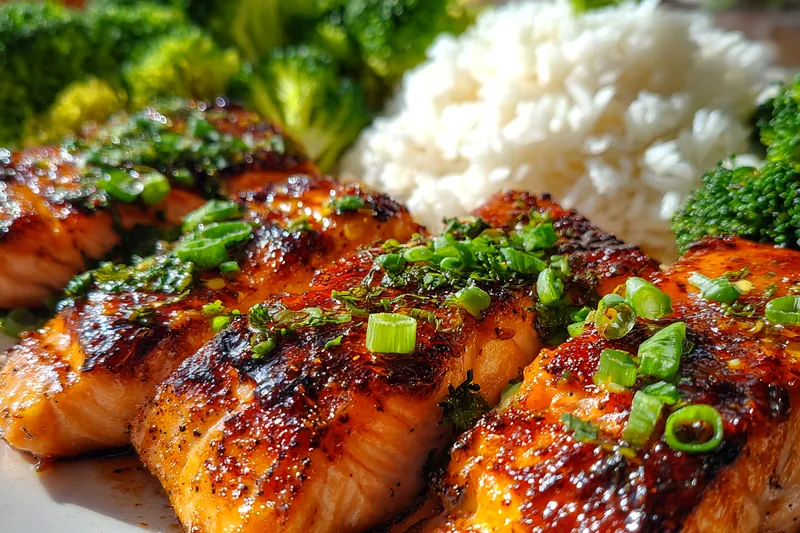
Step-by-Step Cooking Process
The cooking process for Glazed Salmon with Rice is straightforward and beginner-friendly, making it a great choice for any home cook. Start by marinating the salmon to infuse it with flavor, then cook the rice to fluffy perfection. The key is to pay attention to the cooking times to ensure that both components are ready simultaneously.
Achieving perfect results involves some simple techniques such as monitoring the heat and using a thermometer for the salmon. Basting the salmon with the glaze while cooking helps to develop a delicious crust that enhances the overall flavor. With these tips, your Glazed Salmon with Rice will impress everyone at the dinner table.
Key Technique for Perfect Glazed Salmon with Rice
The most important technique for this recipe is the marinating process, which allows the salmon to soak up the rich flavors of the glaze. Additionally, cooking the salmon skin-side down in a hot skillet helps achieve a crispy exterior while keeping the inside moist. Mastering these techniques will elevate your dish and make it a standout on any dinner table.
Glazed Salmon with Rice
📋 Ingredients
Main Ingredients
- 1/4 cup soy sauceLow-sodium preferred
- 1/4 cup honeyOr maple syrup
- 2 tablespoons rice vinegarFor acidity
- 2 cloves garlic, mincedAdds depth of flavor
- 1 inch ginger, mincedFor spiciness
- 1 tablespoon sesame oilEnhances flavor
For the Sauce
- 1 lb salmon filletFresh, skin-on preferred
- 2 cups jasmine riceRinsed and drained
- Salt and pepper to tasteFor seasoning
- Vegetable oil for cookingTo prevent sticking
- 2 green onions, choppedFor garnish
- 1 tablespoon sesame seedsToasted, for garnish
Instructions
Prepare the Marinade
In a bowl, combine soy sauce, honey, rice vinegar, minced garlic, and ginger. Mix well to create the marinade.
Marinate the Salmon
Place the salmon fillet in a shallow dish and pour the marinade over it. Let it marinate for at least 15 minutes.
Cook the Rice
Rinse the jasmine rice under cold water until the water runs clear. Cook the rice in a pot with 4 cups of water over medium heat. Bring to a boil, then reduce to a simmer and cover until cooked (about 18-20 minutes).
Heat the Pan
In a large skillet, heat sesame oil over medium-high heat. Add a bit of vegetable oil to prevent sticking.
Cook the Salmon
Remove the salmon from the marinade (reserve the marinade). Place the salmon in the skillet, skin-side down, and cook for 5-6 minutes.
Baste and Flip
Baste the salmon with the reserved marinade, then carefully flip it over and cook for an additional 5-6 minutes.
Thicken the Sauce
Pour the remaining marinade and water into the pan and let it simmer for 3-4 minutes until slightly thickened.
Serve
Fluff the cooked rice and serve the glazed salmon on a bed of rice. Garnish with chopped green onions and sesame seeds.
Recipe Notes & Tips
Storage Tips
To store Glazed Salmon with Rice, let it cool completely and place it in an airtight container. It can be kept in the refrigerator for up to three days. Reheat gently to preserve the texture of the salmon and rice.
Serving Suggestions
For serving, plate the salmon over the rice and drizzle with extra glaze for added flavor. Pair with steamed vegetables or a light salad for a well-rounded meal. This dish also makes a great lunch option for the next day.
Recipe Variations
You can customize this Glazed Salmon with Rice recipe by adding vegetables to the rice during cooking, such as peas or carrots. Alternatively, try different proteins like chicken or tofu for a vegetarian version. Adjust the glaze by incorporating different spices to suit your taste.