Garlic Parmesan Chicken Pasta
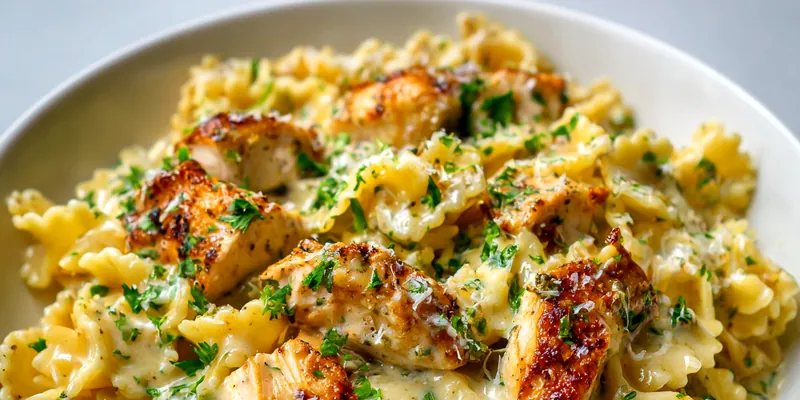
Garlic Parmesan Chicken Pasta is a creamy and rich dish that combines tender chicken, al dente fettuccine, and a luscious garlic Parmesan sauce. Perfect for a weeknight dinner, this recipe is not only delicious but also quick to prepare. The addition of sun-dried tomatoes and fresh spinach elevates the dish, making it a family favorite. You'll love how easy it is to make this comforting meal.
Why You'll Love This Recipe
This Garlic Parmesan Chicken Pasta is the perfect combination of flavors and textures. The creamy Parmesan sauce elevates the dish, making it rich and satisfying. The tender chicken adds protein, while the fettuccine pasta provides a comforting base. With the added nutrients from spinach and sun-dried tomatoes, this dish is not just delicious; it's also nourishing.
Not only is this recipe packed with flavor, but it also comes together in just 75 minutes. It's ideal for busy weeknights or when you're entertaining guests. Plus, it can easily be customized with your favorite vegetables or protein sources to suit your dietary preferences.
💡 Professional Tip
For an extra layer of flavor, consider marinating the chicken in olive oil, garlic, and herbs for a few hours before cooking. Adjust the amount of garlic in the sauce according to your preference for a more robust flavor.
Frequently Asked Questions
Yes, you can prepare the sauce and cook the chicken in advance. Store them separately in the refrigerator for up to two days. When ready to serve, simply heat the sauce and combine it with the cooked pasta and chicken. This makes for a quick and easy weeknight dinner.
Absolutely! You can substitute the chicken with shrimp, tofu, or even mushrooms for a vegetarian version. Adjust the cooking times accordingly to ensure that your protein is cooked perfectly.
Yes, feel free to use any pasta shape you prefer, such as penne, rigatoni, or gluten-free alternatives. Just make sure to adjust the cooking time based on the type of pasta you choose.
While the pasta dish can be frozen, the texture of the cream sauce may change upon thawing. If freezing, it's best to store the chicken and sauce separately from the pasta. When ready to enjoy, thaw and reheat the components individually.
The chicken is done when it reaches an internal temperature of 165°F (75°C) and is no longer pink in the center. The pasta should be cooked until al dente, which means it should still have a slight bite to it. The sauce should be thickened and creamy.
This dish pairs beautifully with a crisp green salad dressed in balsamic vinaigrette and a side of garlic bread. For a complete meal, consider serving it with roasted vegetables or steamed asparagus.
You can add different vegetables such as bell peppers, zucchini, or broccoli to the dish for added nutrition and color. For a spicy kick, consider adding red pepper flakes. You can also swap out the heavy cream for a lighter option like half-and-half or dairy-free alternatives.
Leftovers can be stored in an airtight container in the refrigerator for up to three days. Reheat on the stovetop over low heat, adding a splash of cream or broth to loosen the sauce if necessary.
Recipe Troubleshooting Guide
Sauce is too thick
Problem: If your sauce has become too thick, it can be difficult to coat the pasta.
Solution: Add a little bit of pasta water or additional heavy cream to loosen the sauce. Stir well to combine and achieve the desired consistency.
Pasta is overcooked
Problem: Overcooked pasta can become mushy and unappetizing.
Solution: Next time, set a timer and check the pasta a minute or two before the package instructions suggest. Drain immediately when finished to prevent further cooking.
Lack of flavor
Problem: If the sauce is bland, it can make the dish less enjoyable.
Prevention: Increase the seasoning by adding more salt, pepper, or Parmesan cheese. Fresh herbs like basil or parsley can also enhance the flavor profile.
Chicken is dry
Problem: Dry chicken can lead to an unpleasant texture in the dish.
Recovery: Ensure to cook the chicken at a medium temperature and avoid overcooking. Marinating the chicken beforehand can also help maintain moisture.
Unbalanced flavors
Problem: Sometimes the dish can have an unbalanced flavor profile.
Prevention: Taste and adjust seasoning as necessary. A touch of lemon juice or vinegar can brighten up the dish if it feels too heavy.
Flavor Balance
Too Sweet: If your dish is too sweet, add a splash of vinegar or lemon juice to balance the flavors.
Too Salty: If the dish is too salty, you can add a bit of sugar or extra cream to dilute the saltiness.
Bland: To fix a bland dish, increase the seasoning with salt, pepper, and fresh herbs to enhance the flavor.
Cooking Techniques
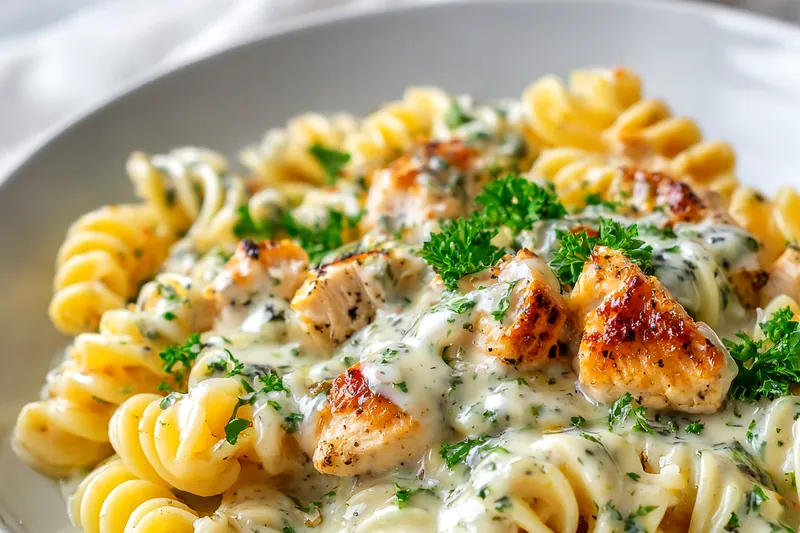
Cooking pasta correctly is a vital skill in any kitchen. Always use plenty of salted water and follow the package instructions for cooking times. A good tip is to reserve some pasta water before draining, as it can help thicken your sauce and add flavor.
Sautéing chicken requires attention to avoid overcooking. Start with medium heat and let the chicken sear before flipping. This technique not only enhances the flavor but also helps achieve a golden crust.
Essential Ingredient Notes
- Parmesan Cheese: Always use freshly grated Parmesan cheese over pre-packaged options. Fresh cheese melts beautifully and adds a richer flavor to your sauce.
- Olive Oil: Using high-quality extra virgin olive oil can significantly enhance the flavor of your dish. It’s worth investing in a good bottle for cooking and drizzling.
- Garlic: Fresh garlic provides the best flavor. Avoid garlic powder if possible, as it lacks the aroma and punch of fresh garlic cloves.
Serving Suggestions
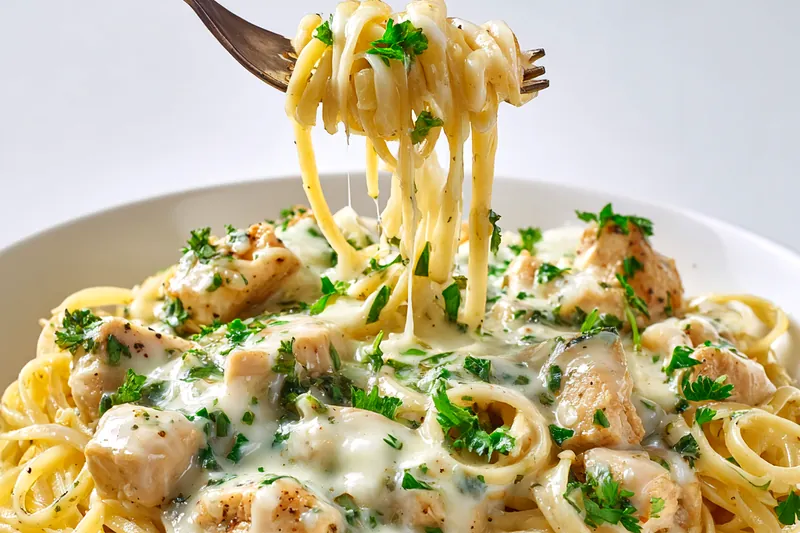
This Garlic Parmesan Chicken Pasta is best served immediately after cooking, ensuring that the pasta remains al dente and the sauce creamy. A sprinkle of fresh parsley on top adds a pop of color and freshness.
For a complete meal, consider pairing it with garlic bread to soak up the delicious sauce and a light salad to balance the richness of the pasta. Enjoy with a glass of white wine for an elevated dining experience.
Sautéing Chicken
Sautéing is a technique that cooks food quickly in a small amount of oil over high heat. This method is perfect for cooking chicken, as it seals in the juices and creates a nice golden-brown crust. Ensure the pan is hot before adding the chicken to achieve the best results.
Garlic Parmesan Chicken Pasta
📋 Ingredients
Main Ingredients
- 2 cups heavy creamRich and creamy
- 1 cup grated Parmesan cheeseFreshly grated
- 3 cloves garlicMinced fresh
- 2 tbsp olive oilExtra virgin
- 1 tsp Italian seasoningDried blend
- Salt to taste
- Pepper to taste
For the Sauce
- 1 lb chicken breastBoneless skinless
- 12 oz fettuccine pastaDried
- 1/4 cup fresh parsleyChopped
- 1/2 cup sun-dried tomatoesChopped
- 1/2 cup spinachFresh
Instructions
Cook the Pasta
Bring a large pot of salted water to a boil. Add the fettuccine pasta and cook according to package instructions until al dente. Drain and set aside.
Sauté the Chicken
In a large skillet, heat olive oil over medium heat. Season chicken breasts with salt and pepper, then add to the skillet. Cook for about 6-7 minutes on each side until cooked through. Remove from skillet and let it rest.
Prepare the Sauce
In the same skillet, add minced garlic and sauté for about 1 minute until fragrant. Pour in heavy cream and bring to a simmer.
Add Cheese and Seasoning
Stir in grated Parmesan cheese and Italian seasoning. Continue to simmer until the sauce thickens slightly, about 3-5 minutes.
Combine Ingredients
Slice the cooked chicken and return it to the skillet along with the fettuccine, sun-dried tomatoes, and spinach. Toss to combine and heat through.
Garnish and Serve
Remove from heat, garnish with chopped parsley, and serve immediately.
Recipe Notes & Tips
Storage
Leftovers can be stored in an airtight container in the refrigerator for up to three days. Reheat on the stovetop over low heat, adding a splash of cream or broth to loosen the sauce if necessary.
Serving
This dish pairs beautifully with a crisp green salad dressed in balsamic vinaigrette and a side of garlic bread. For a complete meal, consider serving it with roasted vegetables or steamed asparagus.
Variations
You can add different vegetables such as bell peppers, zucchini, or broccoli to the dish for added nutrition and color. For a spicy kick, consider adding red pepper flakes. You can also swap out the heavy cream for a lighter option like half-and-half or dairy-free alternatives.