Creamy Lemon Ricotta Pasta with Fresh Arugula
Prepare to be swept away by the vibrant flavors of this Creamy Lemon Ricotta Pasta with Fresh Arugula, an effortlessly elegant Italian dish perfect for any dinner occasion. This recipe brings together the luxurious creaminess of ricotta, the bright zest of lemon, and the peppery bite of fresh arugula, all united with perfectly cooked pasta. It's a delightful blend of textures and tastes, promising a satisfying and refreshingly light yet comforting meal that comes together surprisingly quickly. Say goodbye to complicated weeknight meals and hello to a new family favorite!

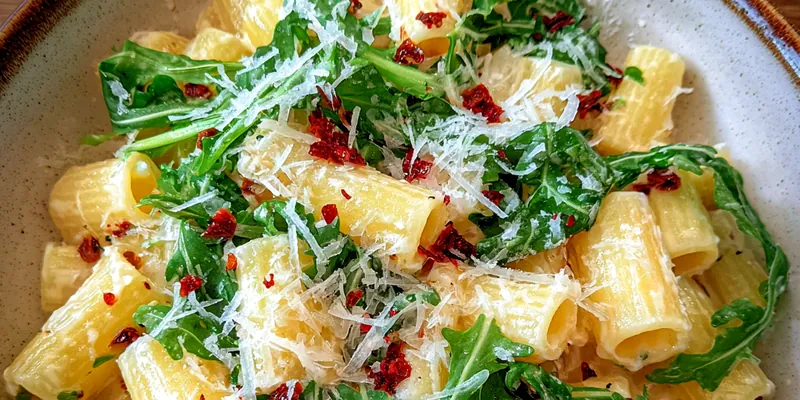
Why This Creamy Lemon Ricotta Pasta with Fresh Arugula Recipe Works
This Creamy Lemon Ricotta Pasta stands out for its incredible balance of flavors and textures, making it a truly special dish. The fresh lemon zest and juice provide a bright, invigorating tang that cuts through the richness of the whole milk ricotta, preventing it from feeling too heavy. The addition of fresh arugula at the end introduces a wonderful peppery freshness and a slight bitterness that beautifully complements the creamy sauce. It’s a sophisticated yet comforting profile that appeals to a wide range of palates.
The technique involved in this recipe is also key to its success. By reserving pasta water and using it to emulsify the ricotta sauce, we create an incredibly silky, clingy coating for the pasta that’s packed with flavor. This method ensures the sauce isn't watery but rather perfectly coats each strand. Furthermore, adding the arugula off the heat allows it to gently wilt, retaining its vibrant color and distinct bite, rather than becoming overly soft or losing its characteristic flavor. It's these thoughtful steps that elevate a simple pasta dish into something truly memorable.
💡 Professional Tip
To achieve the silkiest, most flavorful sauce, always make sure to reserve enough pasta water. The starch in the pasta water is crucial for emulsifying the ricotta and creating a smooth, cohesive sauce that clings beautifully to every strand of pasta. If your sauce seems too thick, gradually add more pasta water, a tablespoon at a time, until it reaches your desired consistency. Don't be afraid to taste and adjust seasonings throughout the process!
Frequently Asked Questions
While this pasta is best enjoyed fresh off the stove for optimal texture and flavor, you can certainly do some prep work in advance. You can grate the Parmesan, mince the garlic, and zest/juice the lemons hours beforehand. The ricotta sauce itself can be mixed a few hours ahead and stored in the fridge. However, combining the pasta with the sauce and arugula should be done right before serving to prevent the pasta from absorbing too much liquid and becoming mushy, and to keep the arugula vibrant.
If you don't have ricotta, a good substitute for its creamy texture and mild flavor would be cottage cheese, blended until smooth. You could also try cream cheese thinned with a little milk or cream, though it will result in a tangier, denser sauce. For a dairy-free option, a cashew cream (soaked and blended cashews) can offer a similar richness, but adjust seasonings as its flavor profile will be different. Keep in mind substitutions may alter the final taste and consistency slightly.
The pasta is done when it's al dente, meaning 'to the tooth' – tender but still with a slight bite. Always taste a strand of pasta before draining to check for doneness. The sauce itself is 'done' when it has emulsified beautifully with the pasta water, coating the noodles evenly and luxuriously. The arugula should be added at the very end and tossed just until it begins to wilt, retaining some of its freshness and bright green color, indicating it's perfectly integrated without being overcooked.
Freezing this particular pasta dish is not recommended. Dairy-based sauces like ricotta can separate and become grainy when frozen and reheated, leading to an unpleasant texture. Additionally, fresh arugula will become very soggy and discolored after freezing. For the best experience, this dish is truly meant to be enjoyed fresh. If you have leftovers, they are best consumed within 1-2 days from the refrigerator.
This pasta is a complete meal on its own, but it pairs wonderfully with a simple side salad dressed with a light vinaigrette to complement the lemon flavors. Crusty garlic bread or focaccia is also an excellent choice for soaking up any extra sauce. For a protein boost, grilled chicken or pan-seared shrimp would be fantastic additions, adding another layer of flavor and substance to your Italian dinner experience.
Leftovers of Creamy Lemon Ricotta Pasta with Fresh Arugula can be stored in an airtight container in the refrigerator for up to 2-3 days. Be aware that the arugula may continue to wilt and soften over time, and the pasta will absorb more of the sauce, becoming less 'saucy'. For reheating, gently warm it on the stovetop over low heat, adding a splash of milk, cream, or even a little water to loosen the sauce and restore its creaminess.
As mentioned before, while the full dish is best fresh, specific components can be prepared in advance. You can zest and juice lemons, mince garlic, and grate Parmesan cheese up to a day ahead. The ricotta mixture can also be prepared and stored in the fridge. However, cooking the pasta and combining it with the sauce and arugula should ideally be done just before serving to ensure the best texture for both the pasta and the fresh greens, maximizing the dish's vibrant appeal.
The best way to reheat this pasta is on the stovetop over low to medium-low heat. Add a tablespoon or two of water, milk, or even vegetable broth to the pan with the pasta. Stir gently and continuously, allowing the sauce to loosen and become creamy again without overheating the ricotta, which can cause it to separate. Avoid reheating in the microwave if possible, as it can dry out the pasta and lead to an unevenly heated and less appealing texture.
Recipe Troubleshooting Guide
Sauce Too Thick/Dry
Problem: After combining, the pasta sauce seems too thick or dry, not coating the pasta evenly.
Solution: Gradually add more of the reserved hot pasta water, 1-2 tablespoons at a time, while tossing the pasta. The starch in the water will help loosen and emulsify the sauce to achieve the desired creamy, clingy consistency. A small splash of milk or heavy cream can also help, but pasta water is preferred for flavor.
Arugula Soggy
Problem: The fresh arugula in the pasta is soggy and lost its vibrant color and peppery bite.
Solution: To prevent soggy arugula, ensure you add it *after* removing the pasta from the heat. The residual warmth from the pasta and sauce is sufficient to gently wilt the arugula without overcooking it, allowing it to retain its fresh texture and vibrant green color. Toss just until it's barely wilted.
Ricotta Sauce Grainy
Problem: The ricotta in the sauce has a grainy or lumpy texture instead of being smooth and creamy.
Prevention: Ensure you're using good quality whole milk ricotta, which is naturally smoother. If your ricotta is watery, drain it in a fine-mesh sieve for 30 minutes before using. When mixing the sauce, whisk it thoroughly to ensure it's completely smooth before adding to the pasta. Avoid overheating the ricotta mixture directly on high heat, which can cause it to curdle; always incorporate it gently off the heat or over very low heat.
Lacking Flavor Depth
Problem: The pasta tastes a bit bland or flat, despite adding lemon and cheese.
Recovery: Ensure you're seasoning the pasta water adequately with salt, as this is the first layer of flavor. Don't be shy with lemon zest; it provides more aroma and brightness than just juice. A pinch of red pepper flakes adds a subtle warmth and depth. Finally, always taste and adjust the salt and pepper in the final sauce, and consider a generous grating of fresh Parmesan cheese before serving for an umami boost.
Pasta Clumps Together
Problem: After cooking and draining, the pasta is clumping together.
Prevention: To prevent pasta from clumping, ensure you use a large enough pot with plenty of heavily salted water, and stir frequently during the first few minutes of cooking. Once drained, don't rinse the pasta, as the starch helps the sauce cling. Immediately combine the drained pasta with the sauce, using some of that starchy reserved pasta water to keep everything loose and coated.
Flavor Balance
Too Sweet: If too sweet (unlikely for this dish, but if you overdo a sweet white wine): Add more lemon juice or a pinch of red pepper flakes to balance. A tiny dash of white wine vinegar could also help.
Too Salty: If too salty: Add a little more reserved pasta water to dilute the sauce. A squeeze of fresh lemon juice can also help to brighten and cut through excessive saltiness. Add a handful of plain cooked pasta or a dollop of fresh ricotta (if available) to absorb some salt.
Bland: If bland: Add more salt and freshly cracked black pepper. Increase lemon zest for more aroma. A bit more Parmesan cheese will boost umami. Consider adding a small amount of extra minced garlic or a pinch of red pepper flakes for warmth and complexity.
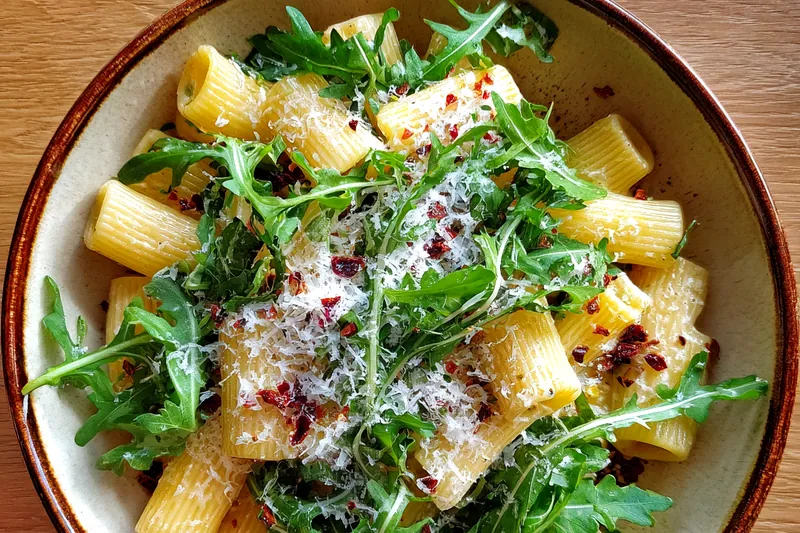
Essential Ingredients for Creamy Lemon Ricotta Pasta with Fresh Arugula
The beauty of Italian cooking, and this Creamy Lemon Ricotta Pasta with Fresh Arugula in particular, lies in the quality and freshness of its core ingredients. Central to the dish is, of course, the pasta itself – choose a good quality linguine, tagliatelle, or even spaghetti that can hold the creamy sauce well. Whole milk ricotta cheese is indispensable for achieving that luxurious, smooth texture and rich flavor. Freshly squeezed lemon juice and zest are non-negotiable for the bright, invigorating tang that defines the dish, providing the perfect counterpoint to the creamy elements.
Beyond these, fresh garlic provides an aromatic base, while grated Parmesan adds a salty, umami depth. Don't underestimate the power of freshly ground black pepper and a good quality sea salt to bring all the flavors into harmony. And finally, the star of the show for its fresh, peppery finish: a generous amount of vibrant fresh arugula. Opt for the freshest arugula you can find, as its distinct bite is crucial to the dish's overall appeal. Using high-quality ingredients truly makes all the difference in achieving an authentic and delicious Italian experience.
Essential Ingredient Notes
- Ricotta Cheese: For the creamiest sauce, always opt for whole milk ricotta cheese. Its higher fat content contributes to a smoother, richer consistency compared to part-skim varieties. If your ricotta seems a bit watery, simply drain it in a fine-mesh sieve for 20-30 minutes before mixing the sauce to ensure it's thick and luxurious.
- Lemons: When selecting lemons, look for ones that are firm, heavy for their size, and have smooth, blemish-free skin. These characteristics usually indicate a good amount of juice. Always zest your lemon before juicing it, as it's much easier to do on a whole lemon. Fresh lemon juice and zest are absolutely essential for the bright, vibrant flavor of this pasta, so avoid bottled alternatives.
- Fresh Arugula: Fresh arugula is key for that signature peppery bite. Look for bright green, crisp leaves without any yellowing or wilting. To maintain its freshness, store arugula in a breathable bag or container in the crisper drawer of your refrigerator. Add it to the pasta at the very last minute, off the heat, to ensure it gently wilts while retaining its vibrant color and distinct flavor.
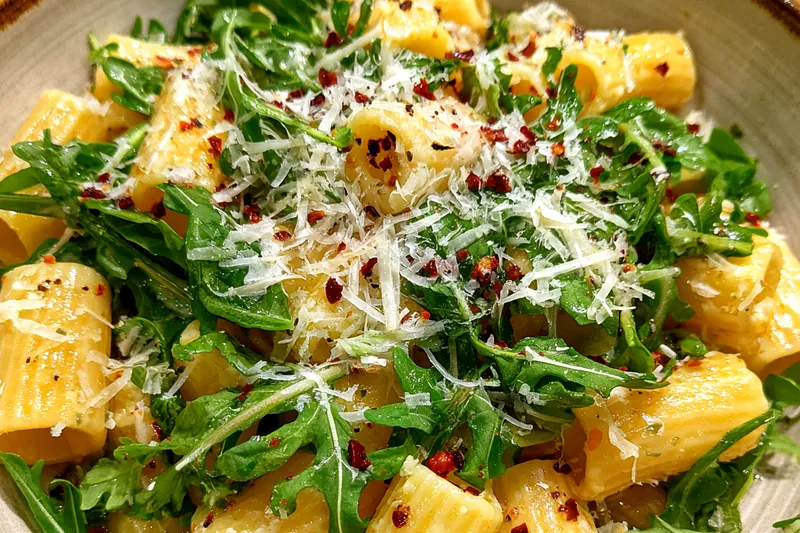
Step-by-Step Cooking Process
Creating this Creamy Lemon Ricotta Pasta with Fresh Arugula is a wonderfully straightforward process, making it an ideal choice for a satisfying weeknight meal. The journey begins with perfectly cooking your chosen pasta shape to al dente, ensuring it provides a pleasing texture as the foundation of your dish. While the pasta cooks, you'll build the aromatic base by gently sautéing garlic, which infuses the olive oil with its delightful fragrance. This thoughtful layering of flavors is what transforms simple ingredients into an extraordinary culinary experience.
The true magic happens when the creamy ricotta mixture meets the hot pasta, brought together with the starchy reserved pasta water. This careful emulsification technique creates a luxurious, cohesive sauce that beautifully clings to every strand. The final step, gently folding in the fresh arugula off the heat, ensures it retains its vibrant color and peppery bite, contributing to the dish's overall freshness and textural contrast. Following these steps ensures a delicious, restaurant-quality pasta dish that's both comforting and elegantly simple to achieve in your own kitchen.
Key Technique for Perfect Creamy Lemon Ricotta Pasta with Fresh Arugula: The Pasta Water Emulsification
The most crucial technique for achieving a beautifully creamy, non-gloopy sauce in this recipe is the pasta water emulsification. The starchy water left over from cooking your pasta is liquid gold; it contains starches that help to bind and thicken the ricotta sauce, creating a smooth, velvety consistency that clings perfectly to the noodles. As you toss the hot pasta with the ricotta mixture and a ladleful of this starchy water, it transforms into a cohesive, luxurious sauce. Don't be afraid to add a little more pasta water if the sauce feels too thick – it's the secret to that restaurant-quality finish!
Creamy Lemon Ricotta Pasta with Fresh Arugula
📋 Ingredients
Main Ingredients
- 2 tablespoons olive oilextra virgin preferred
- 3 cloves garlicminced
- 1/2 cup dry white wineoptional, for deglazing
- 1/4 teaspoon red pepper flakesoptional
- 1/2 teaspoon saltor to taste
- 1/4 teaspoon black pepperfreshly ground, or to taste
For the Sauce
- 1 pound pastalinguine, spaghetti, or tagliatelle
- 1 1/2 cups whole milk ricotta cheesegood quality
- 1/2 cup grated Parmesan cheeseplus more for serving
- 1/4 cup fresh lemon juicefrom 1-2 lemons
- 1 tablespoon lemon zestfrom 1-2 lemons
- 4-5 cups fresh arugularinsed and dried
- Fresh basil or parsleyfor garnish (optional)
- 1/2 cup reserved pasta waterplus more as needed
Instructions
Cook the Pasta
Cook pasta according to package directions in a large pot of heavily salted water until al dente. Before draining, reserve about 1 1/2 cups of the starchy pasta water. Drain the pasta and set aside.
Sauté Aromatics
While pasta cooks, heat 2 tablespoons of olive oil in a large skillet or pot over medium heat. Add minced garlic and red pepper flakes (if using), cooking for 1-2 minutes until fragrant, being careful not to brown the garlic.
Deglaze (Optional)
If using, add 1/2 cup dry white wine to the skillet and bring to a simmer, scraping up any browned bits from the bottom. Cook for 2-3 minutes until the wine has mostly evaporated.
Prepare Ricotta Sauce Base
In a medium bowl, combine 1 1/2 cups whole milk ricotta cheese, 1/2 cup grated Parmesan, 1/4 cup fresh lemon juice, 1 tablespoon lemon zest, 1/2 teaspoon salt, and 1/4 teaspoon black pepper. Whisk until smooth and well combined.
Combine Pasta and Sauce
Add the cooked pasta to the skillet with the sautéed garlic and any deglazed wine. Pour the prepared ricotta mixture over the pasta.
Emulsify the Sauce
Add 1/2 cup of the reserved pasta water to the skillet. Toss the pasta vigorously with tongs, allowing the sauce to emulsify and coat the pasta. Add more pasta water a tablespoon at a time if needed, until the sauce reaches your desired creamy consistency.
Fold in Arugula
Remove the skillet from the heat. Add the 4-5 cups fresh arugula and toss gently until it wilts slightly into the warm pasta, becoming tender but still vibrant.
Taste and Adjust
Taste the pasta and adjust seasoning with additional salt, pepper, or lemon juice as needed to achieve a perfect balance of flavors.
Serve Immediately
Divide the pasta among serving bowls. Garnish with additional grated Parmesan, fresh basil or parsley, and a drizzle of good quality olive oil, if desired. Serve and enjoy your creamy lemon ricotta pasta with fresh arugula right away.
Recipe Notes & Tips
Storage Tips
Store any leftover Creamy Lemon Ricotta Pasta with Fresh Arugula in an airtight container in the refrigerator for up to 2-3 days. While the pasta is best fresh, leftovers can be gently reheated on the stovetop over low heat with a splash of water or milk to restore creaminess. Be aware that the arugula may soften further upon reheating.
Serving Suggestions
This vibrant pasta dish is a meal in itself, but it pairs beautifully with a light green salad dressed with a simple lemon vinaigrette. For an extra layer of flavor and crunch, consider serving it with a side of crusty Italian bread or garlic focaccia. A glass of crisp white wine, such as a Pinot Grigio or Sauvignon Blanc, would also complement the lemon notes perfectly.
Recipe Variations
Feel free to customize this Creamy Lemon Ricotta Pasta. For added protein, stir in cooked shredded chicken, pan-seared shrimp, or roasted chickpeas. You could also swap arugula for baby spinach or kale (sautéed briefly). Add other fresh herbs like dill or mint for a different flavor profile, or introduce cherry tomatoes for a burst of sweetness. A sprinkle of toasted pine nuts could also add a lovely texture.