Creamy Crab Chowder Delight
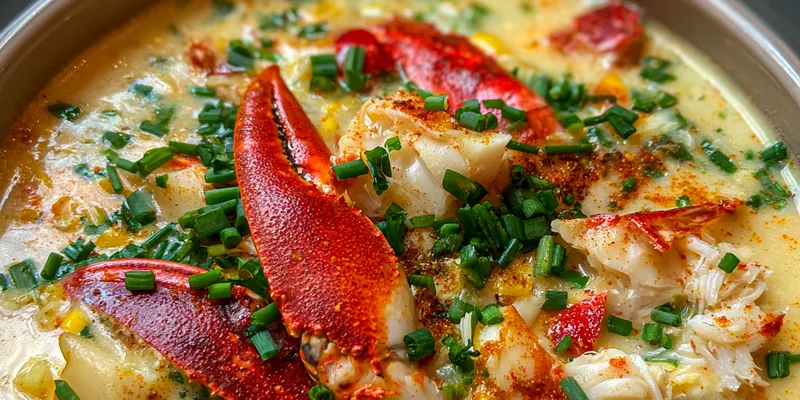
Creamy Crab Chowder Delight is a luxurious soup that brings the taste of the sea right to your table. This dish combines tender crab meat with creamy broth and hearty potatoes, making it a comforting meal. Perfect for a chilly evening or as a special treat, this chowder is both satisfying and easy to make. Serve it with crusty bread for a complete dining experience.

Why This Creamy Crab Chowder Delight Recipe Works
This recipe combines fresh crab meat with a rich, creamy broth that is both satisfying and indulgent. The balance of flavors from the seasoning adds depth, while the hearty potatoes give it a substantial texture. Using quality ingredients ensures that each bowl is a delightful experience, making it perfect for cozy dinners.
The chowder's flavor profile is creamy with hints of savory seafood, and the texture is wonderfully smooth with chunks of tender potato. Cooking it slowly allows the flavors to meld beautifully, creating a comforting dish that warms the soul. This method brings out the best in the ingredients, making every bite a treat.
💡 Professional Tip
For the best flavor, use fresh lump crab meat. If you can’t find it, canned crab works in a pinch, but be sure to drain it well to avoid excess liquid in the chowder.
Frequently Asked Questions
Yes, you can prepare the chowder in advance. Simply follow the recipe, let it cool, and store it in the refrigerator for up to two days. Reheat it gently on the stove before serving to maintain its creamy texture.
You can use half-and-half or whole milk as a lighter alternative, although the chowder will be less rich. For a dairy-free version, try coconut cream or a non-dairy milk mixed with a thickener like cornstarch.
The best method is to simmer the chowder on the stovetop. This allows the flavors to develop fully without the risk of burning that can occur in a slow cooker. Stir occasionally to keep the chowder from sticking to the bottom.
To prevent curdling, avoid boiling the chowder once the cream is added. Always heat it gently and stir continuously to maintain a smooth consistency.
The chowder is done when the potatoes are tender and the flavors have melded together beautifully. You’ll know it’s ready when it thickens slightly and is heated through.
Serve the chowder with crusty bread or a fresh salad for a complete meal. A sprinkle of lemon juice can also enhance the flavors and add brightness.
Absolutely! Add some diced jalapeños or a dash of cayenne pepper to give it a kick. Adjust the amount according to your spice preference.
Store leftovers in an airtight container in the refrigerator for up to two days. Reheat gently on the stove, adding a splash of broth or cream if it thickens too much.
Recipe Troubleshooting Guide
Chowder Too Thin
Problem: If your chowder is too thin, it may not have simmered long enough for the potatoes to break down.
Solution: Continue to simmer the chowder until it thickens, or mix a tablespoon of cornstarch with cold water and stir it into the soup to thicken it quickly.
Chowder Lacks Flavor
Problem: If the chowder tastes bland, it may need more seasoning.
Solution: Add more Old Bay seasoning or a splash of hot sauce to enhance the flavor. Taste and adjust accordingly until it meets your preference.
Crab Meat Overcooked
Problem: Overcooked crab can become tough and rubbery.
Prevention: To avoid this, add the crab meat at the end of the cooking process and heat it through just until warmed.
Creamy Chowder Separated
Problem: If your chowder separates, it could be due to boiling after adding cream.
Recovery: To recover, gently whisk the chowder together while heating on low, and avoid boiling after adding the cream next time.
Potatoes Not Cooking Through
Problem: If the potatoes are not tender, they may have been cut too large.
Prevention: Ensure that the potatoes are cut into small, even pieces to ensure uniform cooking. Simmer longer if needed.
Flavor Balance Issues
Too Sweet: If the chowder is too sweet, add a splash of lemon juice to balance the flavors.
Too Salty: If it’s too salty, you can add more potatoes to absorb some saltiness.
Bland: If the chowder is bland, a sprinkle of salt and a dash of hot sauce can enhance the flavor.

Choosing the Best Ingredients for Creamy Crab Chowder Delight
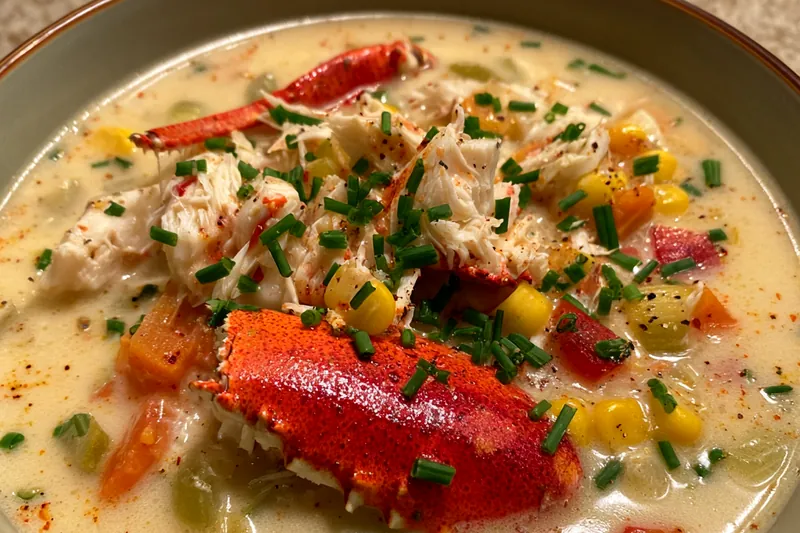
Selecting fresh ingredients is key to making an exceptional chowder. Look for lump crab meat that feels firm and has a sweet aroma. Fresh herbs enhance the dish's flavor, while starchy potatoes provide the necessary texture for a hearty chowder.
Prepare your ingredients by dicing the vegetables evenly to ensure they cook uniformly. Rinse the crab meat gently to remove any shell pieces, and pat it dry before adding it to the chowder for the best result.
Essential Ingredient Notes
- Crab Meat: Fresh crab meat is the star of this dish. Opt for lump crab meat for its sweet flavor and tender texture, which holds up well in chowder.
- Heavy Cream: This ingredient provides the rich, creamy base that defines chowder. Choose heavy cream for the best consistency and flavor.
- Old Bay Seasoning: A traditional seafood seasoning that adds depth and complexity. Its blend of spices enhances the natural sweetness of the crab.
Mastering the Cooking Technique
The key to a perfect chowder lies in the cooking technique. Start by sautéing the aromatics well to unlock their flavors before adding other ingredients. Allow the chowder to simmer gently to blend the flavors without overcooking.
Keep an eye on the chowder as it cooks, adjusting the heat as necessary to maintain a gentle simmer. The appearance should be thick and creamy, with a glossy finish. Stirring occasionally ensures nothing sticks to the bottom of the pot.
The Secret to Perfect Creamy Crab Chowder Delight
The balance between the cream and seasonings is crucial for achieving the perfect flavor profile. Simmering the chowder gently will prevent curdling and maintain a smooth texture.
Creamy Crab Chowder Delight
📋 Ingredients
{{ingredient_category_1}}
-
{{sauce_ingredients}}
{{ingredient_category_2}}
-
{{main_ingredients}}
Instructions
-
{{instructions_list}}
Recipe Notes & Tips
{{note_1_title}}
{{note_1_content}}
{{note_2_title}}
{{note_2_content}}
{{note_3_title}}
{{note_3_content}}