Crispy Coconut Shrimp Delight
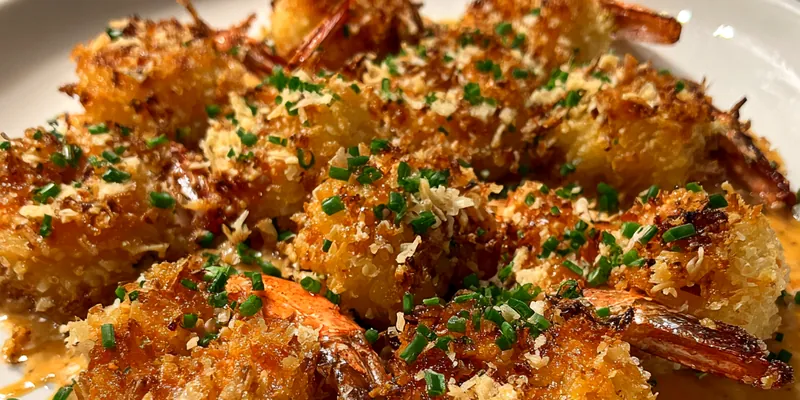
Crispy Coconut Shrimp Delight is a fantastic appetizer that balances the crunch of coconut with the tender taste of shrimp. This dish is perfect for parties, family gatherings, or any occasion where you want to impress. The tropical flavors make it feel like a mini-vacation in every bite. Serve it with a zesty dipping sauce for an unforgettable experience!

Why This Crispy Coconut Shrimp Delight Recipe Works
This recipe stands out due to its unique combination of textures from the crunchy coating of coconut and panko breadcrumbs. The shrimp remain juicy and tender inside, while the outside offers a satisfying crunch. The use of spices adds depth to the flavor, making each bite memorable.
The contrast of flavors and textures creates an exciting eating experience. Frying the shrimp at the right temperature ensures they are crispy without being greasy. This recipe is incredibly versatile and pairs well with various dipping sauces, enhancing its appeal.
💡 Professional Tip
For the crispiest coconut shrimp, make sure your oil is hot enough before frying. Use a thermometer to monitor the oil temperature and avoid overcrowding the pan to ensure even cooking.
Frequently Asked Questions
Yes, you can prepare the shrimp and bread them in advance. Store them in the refrigerator for up to 2 hours before frying. To ensure maximum crispiness, fry them just before serving.
If you don't have panko breadcrumbs, regular breadcrumbs can be used, though the texture will be slightly different. For a gluten-free option, use crushed gluten-free crackers or cornflakes.
Frying is the best method for achieving a crispy texture. You can also bake them in the oven for a healthier alternative, but they may not be as crunchy. If baking, make sure to spray them with oil to enhance browning.
Ensure the shrimp are patted dry before breading to remove excess moisture. Fry them in hot oil and don't overcrowd the skillet to maintain the temperature needed for crispiness.
The shrimp should be golden brown and crispy on the outside. You can also check the internal temperature with a meat thermometer; it should reach 120°F (49°C).
Crispy Coconut Shrimp pairs well with sweet chili sauce, honey mustard, or a tangy lime dipping sauce. A side salad or tropical fruit salsa complements the dish nicely.
Yes, you can bake the shrimp instead of frying them for a healthier version. Use a light coating of oil and bake them at 400°F (200°C) for about 15-20 minutes until crispy.
Store leftover shrimp in an airtight container in the refrigerator for up to 2 days. To reheat, place them in a preheated oven at 350°F (175°C) until heated through and crispy again.
Recipe Troubleshooting Guide
Shrimp Not Crispy Enough
Problem: The shrimp may not achieve the desired crispiness.
Solution: Ensure the oil is hot enough before adding the shrimp and don't overcrowd the pan. Fry in batches to maintain the oil temperature.
Breading Falling Off
Problem: The breading may separate from the shrimp during cooking.
Solution: Press the breadcrumbs firmly onto the shrimp before frying and ensure they are dry before the breading process. This helps the coating adhere better.
Shrimp Overcooked
Problem: The shrimp may turn rubbery if overcooked.
Prevention: Remove the shrimp from the oil as soon as they turn golden brown. Keep an eye on the cooking time to avoid overcooking.
Oil Splattering
Problem: Oil may splatter during frying.
Recovery: Use a deep skillet and carefully add the shrimp to the oil. You can also use a splatter guard to minimize mess.
Shrimp Sticking Together
Problem: Shrimp may stick together when frying.
Prevention: Make sure to keep space between each shrimp in the oil. Fry them in small batches to prevent sticking.
Flavor Balance Issues
Too Sweet: If the dish is too sweet, add a splash of lime juice to cut the sweetness.
Too Salty: If too salty, serve with a side of unsalted yogurt or sour cream to balance the flavors.
Bland: If bland, try adding more seasoning to the breading or serving with a flavorful dipping sauce.
Choosing the Best Ingredients for Crispy Coconut Shrimp Delight
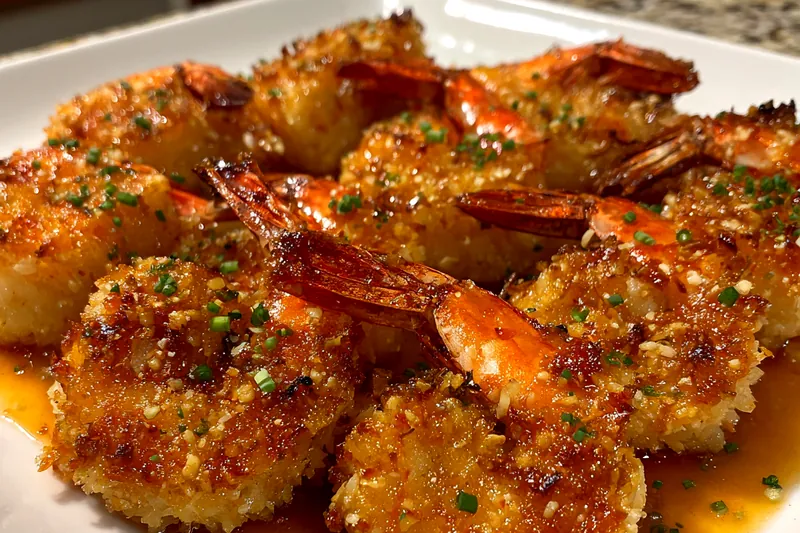
When making Crispy Coconut Shrimp Delight, selecting fresh, high-quality shrimp is essential for the best flavor and texture. Look for shrimp that are firm and have a slight sheen. Fresh shredded coconut provides a natural sweetness that enhances the dish, while panko breadcrumbs give the coating its signature crispiness.
For optimal results, ensure your spices are fresh and aromatic. Using large shrimp allows for a more substantial bite and better presentation. If possible, opt for organic eggs and high-quality vegetable oil for frying to elevate the overall taste of your dish.
Essential Ingredient Notes
- Shrimp: Choose large, fresh shrimp for the best flavor and texture. Avoid shrimp that have a strong fishy smell, as this indicates they may not be fresh.
- Shredded Coconut: Use sweetened or unsweetened shredded coconut depending on your preference. Unsweetened coconut offers a more natural flavor, while sweetened coconut adds extra sweetness.
- Panko Breadcrumbs: Panko breadcrumbs are essential for achieving a crunchy texture. They are lighter and flakier than traditional breadcrumbs, allowing for a crispier finish.
Mastering the Cooking Technique
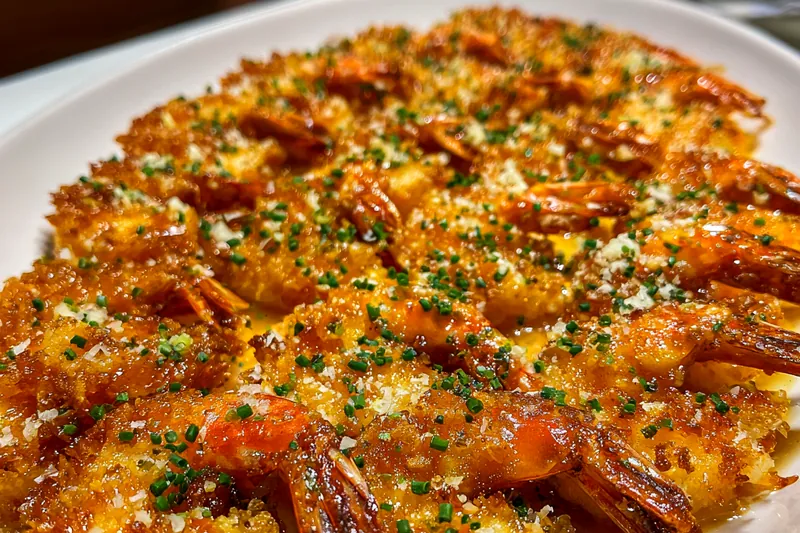
Frying is the key technique for making Crispy Coconut Shrimp Delight. The process requires maintaining the right oil temperature, usually around 350°F (175°C). This ensures that the shrimp cook quickly and evenly, resulting in a crispy exterior and juicy interior.
Timing is crucial during frying. The shrimp should only take about 2-3 minutes per side to cook. Keep an eye on their color and texture; they should be golden brown and firm to the touch when done.
The Secret to Perfect Crispy Coconut Shrimp Delight
The most important technique is achieving the right frying temperature. This helps ensure that the shrimp cook quickly without absorbing too much oil, resulting in a light and crispy dish.
Crispy Coconut Shrimp Delight
📋 Ingredients
Sauce
- 1/2 cup sweet chili sauceFor a sweet and spicy dipping option
- 2 tablespoons lime juiceAdds a zesty kick to the sauce
- 1 tablespoon soy sauceFor depth of flavor
- 1 tablespoon honeyNatural sweetness to balance the flavors
- 1 teaspoon sesame oilAdds an earthy note to the sauce
Main
- 1 cup shredded coconutFor a tropical crunch
- 1 cup panko breadcrumbsProvides extra crispiness
- 1 lb large shrimp, peeled and deveinedMain protein for the dish
- 1/2 cup all-purpose flourFor dredging the shrimp
- 2 large eggs, beatenHelps the coating adhere
- 1 teaspoon garlic powderAdds aromatic depth
- 1 teaspoon paprikaFor a hint of smokiness
Instructions
Prepare the Shrimp
Start by peeling and deveining the shrimp. Pat them dry with paper towels to ensure they get crispy when cooked.
Set Up Breading Station
In three separate bowls, place flour, beaten eggs, and a mixture of shredded coconut and panko breadcrumbs.
Season the Shrimp
In a bowl, mix garlic powder, paprika, salt, and black pepper. Toss the shrimp in the spice mixture for even coating.
Bread the Shrimp
Dip each shrimp into the flour, then the egg, and finally coat it with the coconut and panko mixture, pressing lightly to adhere.
Heat the Oil
In a large skillet, heat about 1/2 inch of vegetable oil over medium-high heat until it shimmers.
Fry the Shrimp
Carefully add the breaded shrimp to the hot oil in batches, frying for about 2-3 minutes per side until golden brown.
Drain the Shrimp
Remove the shrimp from the oil and place them on a paper towel-lined plate to drain excess oil.
Serve and Enjoy
Serve the crispy coconut shrimp immediately with your favorite dipping sauce.
Recipe Notes & Tips
Make-Ahead Instructions
You can bread the shrimp and keep them in the fridge for up to an hour before frying. This allows for easy preparation and ensures they remain crispy.
Serving Suggestions
Pair Crispy Coconut Shrimp with tropical fruit salsa or a fresh salad for a delightful meal. They're perfect for dipping in sweet chili sauce or a homemade tangy sauce.
Recipe Variations
For added heat, incorporate cayenne pepper into the breadcrumb mixture. You can also try using different types of shellfish or fish for a unique twist.